
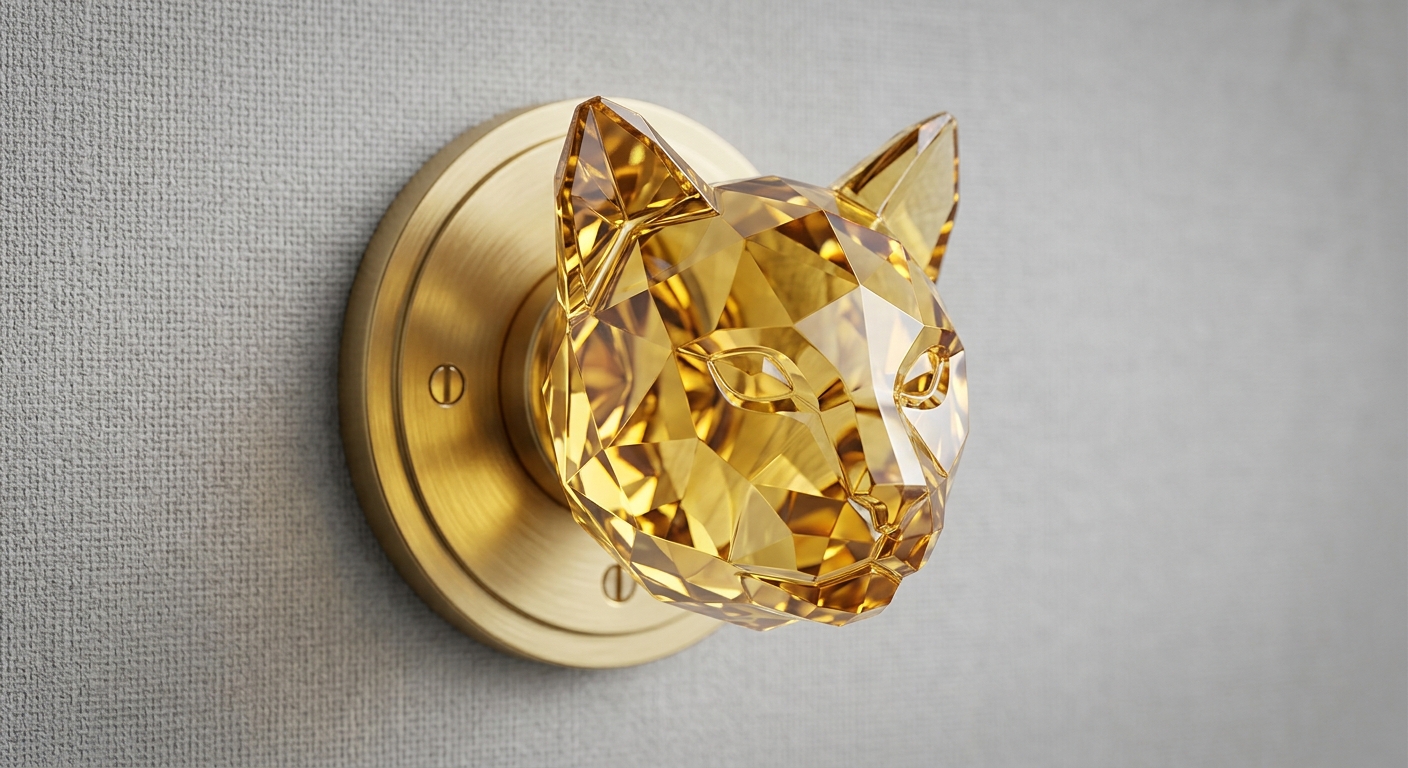
Tired of being your cat’s personal doorman? The constant scratching and meowing at your bedroom door can disrupt sleep and shatter your peace. It’s a classic dilemma for pet owners: you want privacy, but your feline companion demands freedom. This is precisely where Cat Door Knobs for Bedrooms come in, offering an elegant and simple solution to a frustratingly common problem. These clever devices are more than just a convenience; they are a tool for creating a more harmonious home environment.
By providing your cat with its own dedicated entryway, you empower it with independence while reclaiming your personal space. It’s a small home modification that delivers a massive improvement in quality of life for both you and your pet. Forget interrupted nights and welcome a new era of peaceful coexistence, all thanks to this brilliant innovation in pet independence solutions.
The Purpose Behind Cat Door Knobs for Bedrooms
The concept for Cat Door Knobs for Bedrooms was born from a fundamental need to balance a cat’s instinctual desire to roam its territory with a human’s need for privacy and control. Standard doors create a hard boundary that frustrates felines, leading to scratching, vocalizing, and stress. This product brilliantly solves that by creating a cat-specific portal, respecting their need for access without compromising the function of the door for humans. It’s a targeted solution for establishing better household boundaries for pets in a way that feels empowering, not restrictive.
This innovation isn’t just about letting a cat in and out; it’s about thoughtful home integration. It allows owners to keep their bedroom door closed to contain heat or air conditioning, block noise, or keep larger pets and small children out, all while giving the cat free passage. This transforms the dynamic from one of conflict and disruption to one of seamless, quiet movement, fostering a calmer home.
“A truly cat friendly home is one that acknowledges and accommodates a cat’s natural behaviors. Small modifications, like an interior cat door, can make a world of difference in reducing stress and promoting a sense of security for our feline friends.”
Is a Cat Door Knob for Your Bedroom the Right Fit?
The primary audience for Cat Door Knobs for Bedrooms is any cat owner who values both their pet’s freedom and their own personal space. This includes city dwellers in apartments who need to manage limited space effectively and homeowners in larger houses looking to define specific zones for their pets. If you’ve ever been woken up by a paw sliding under the door or insistent meows at dawn, this product is designed for you.
This solution is particularly invaluable for multi-pet households. It can be a strategic tool to create a safe sanctuary for a cat, allowing it to access a room where food, water, or a litter box is kept safe from a curious dog. It’s also perfect for people who work from home and need to close their office door for quiet concentration without completely exiling their furry coworker. Essentially, anyone seeking to enhance pet independence solutions while maintaining a peaceful, well-managed home will find immense value in this product.
Design, Features, and Care for Cat Door Knobs for Bedrooms
Understanding the specifics of these devices helps you appreciate their simple genius. From their clever construction to their easy upkeep, Cat Door Knobs for Bedrooms are designed for maximum impact with minimal fuss.
Standout Design Elements
Most Cat Door Knobs for Bedrooms are not “knobs” in the traditional sense, but rather cat-sized portals or tunnels that install directly into the lower portion of an interior door. They are typically crafted from durable, high-impact ABS plastic that resists chewing and scratching. Many designs feature a clean, minimalist aesthetic and come in neutral colors like white or black, but they can often be painted to perfectly match your door and decor, ensuring they blend seamlessly into your home. The goal is functionality without sacrificing style.
Core Features and Functionality
The primary feature is, of course, providing bedroom pet access. However, many models offer more advanced options. Some come with a soft brush lining that minimizes drafts and reduces noise as your cat passes through. Others feature a flexible flap that swings shut, providing an extra layer of sound insulation. For ultimate control, look for models with a 4-way locking system: in-only, out-only, completely open, or completely locked. This feature is perfect for times when you need to keep your cat contained in or out of the room temporarily.
Expert Maintenance Tips
Maintaining your interior cat door is incredibly simple. Once a week, wipe down the tunnel and any flap with a damp cloth and a pet-safe cleaner to remove accumulated fur and dust. This prevents grime buildup and ensures smooth operation. Periodically, check the mounting screws to ensure they haven’t loosened with use, tightening them if necessary. Proper care is a key part of any cat door installation guide and ensures the product remains safe and functional for years.
How Cat Door Knobs for Bedrooms Stack Up
When considering a pet access solution, it’s helpful to see how different options compare. Cat Door Knobs for Bedrooms occupy a unique and highly practical niche in the market.
Price Comparison
Compared to exterior electronic pet doors or custom-built solutions, these interior doors are remarkably affordable. Basic pass-through models can be found for a very low price, making them an accessible upgrade for any pet owner. Mid-range models that include a flap or brush seal offer more features for a modest price increase, while advanced 4-way locking systems still represent a fantastic value for the control they provide.
Design Comparison
The design of a dedicated cat flap for bedroom use is far more elegant and permanent than propping a door open with a doorstop, which compromises privacy and climate control. Unlike simply cutting an unadorned hole, these products provide a finished, professional look with smooth, safe edges. Their low-profile construction is much less obtrusive than larger, more complex pet door systems designed for external walls.
Feature Comparison
Let’s break down the features you’ll find across different types of interior pet doors.
- Simple Portal: A basic, open tunnel. Most affordable but offers no draft or noise protection.
- Brush-Lined Portal: Adds a soft brush strip to reduce drafts and quiet the cat’s passage.
- Flap Door: Includes a swinging flap, often with a magnetic closure, for better insulation.
- 4-Way Locking Flap: The most versatile option, giving you complete control over your cat’s movements.
Durability and Longevity
Built from sturdy plastics, Cat Door Knobs for Bedrooms are designed to withstand the daily wear and tear of a cat’s claws and passage. The simple, robust construction means there are few moving parts to break. As long as they are installed correctly in a standard interior hollow-core or solid wood door, they are a long-lasting solution that will serve your home for many years.
Customer Reviews
Owners consistently praise the immediate impact on their lifestyle. A common theme in reviews is the joy of uninterrupted sleep. One user wrote, “I can’t believe we waited so long to install one of these! Our Cat Door Knobs for Bedrooms ended the 4 AM wake-up calls for good.” Another noted, “It was the perfect way to give our cat a safe space from our new puppy. Installation was a breeze, and both pets are happier.”
A Small Change for a Happier Home
In summary, Cat Door Knobs for Bedrooms are a brilliantly simple and effective tool for any cat owner. They directly address the conflict between a cat’s need for freedom and an owner’s need for privacy, creating a win-win scenario. By providing independent access, you reduce your cat’s stress, eliminate disruptive behaviors like scratching and meowing at the door, and reclaim your personal sanctuary. This small, affordable home improvement delivers an outsized return in peace and harmony.
Whether you’re looking to solve a specific problem like separating pets or simply want to create a more functional, cat friendly home, this product is a clear choice. For more practical pet solutions and inspiring ideas for your living space, follow the Artinspire Net blog and subscribe to our newsletter for the latest updates.
Frequently Asked Questions
How do I choose the right Cat Door Knobs for Bedrooms for my home?
To choose the best Cat Door Knobs for Bedrooms, start by measuring your cat’s width and height to ensure the opening is large enough. Next, consider your door’s thickness and material. Finally, decide on features: do you need a simple pass-through, or would a 4-way locking mechanism be beneficial for controlling access to keep other pets or children out?
Are Cat Door Knobs for Bedrooms safe for my pet?
Absolutely. When installed according to the manufacturer’s instructions, Cat Door Knobs for Bedrooms are very safe. They are designed with smooth, rounded edges to prevent scrapes and snags. Ensure you select a size appropriate for your cat so they can pass through comfortably without getting stuck.
How do I train my cat to use the Cat Door Knobs for Bedrooms?
Training is usually quick and easy. After installing the Cat Door Knobs for Bedrooms, tape the flap open so your cat can see the other side. Use treats, toys, or verbal encouragement to coax them through the opening. Once they are comfortable, you can untape the flap and let them practice pushing it open on their own. Most cats learn within a day or two.