
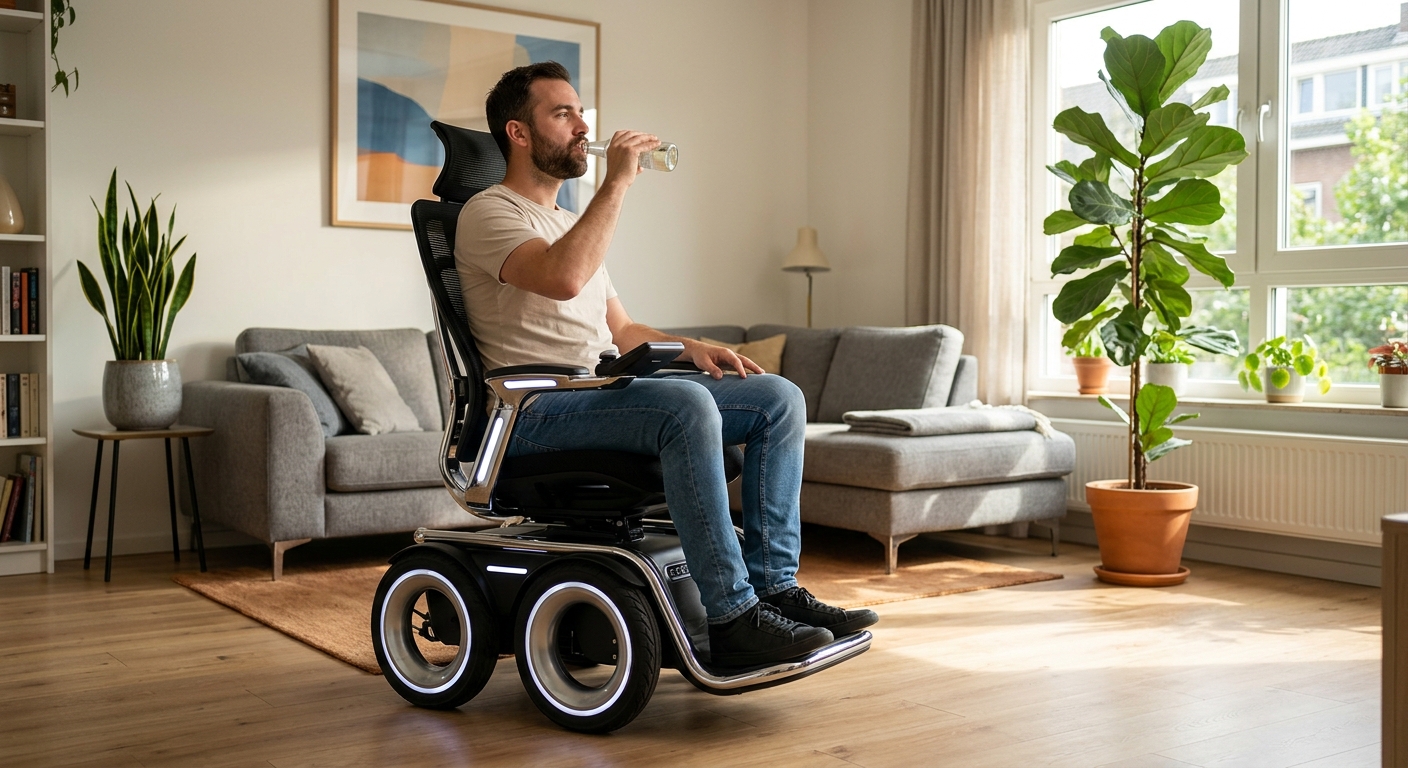
Cleaning vast spaces can often feel like a never-ending, physically draining task. The sheer scale of floors in warehouses, large homes, or commercial venues requires a solution that’s more powerful and less exhausting than a traditional push vacuum. This is where the innovation of riding vacuums truly shines, transforming a laborious chore into a streamlined, efficient, and even comfortable operation. They represent a significant leap forward in cleaning technology, blending the robust power of industrial equipment with the intuitive control of a small vehicle.
Imagine covering thousands of square feet not by walking endless laps, but by comfortably sitting and steering. That’s the core promise of these remarkable machines. They are designed from the ground up to maximize productivity while minimizing operator fatigue, making them an indispensable tool for anyone facing a monumental cleaning challenge. This is more than just a vacuum; it’s a new approach to maintaining large environments effectively.
The Evolution of Effortless Cleaning: Understanding Riding Vacuums
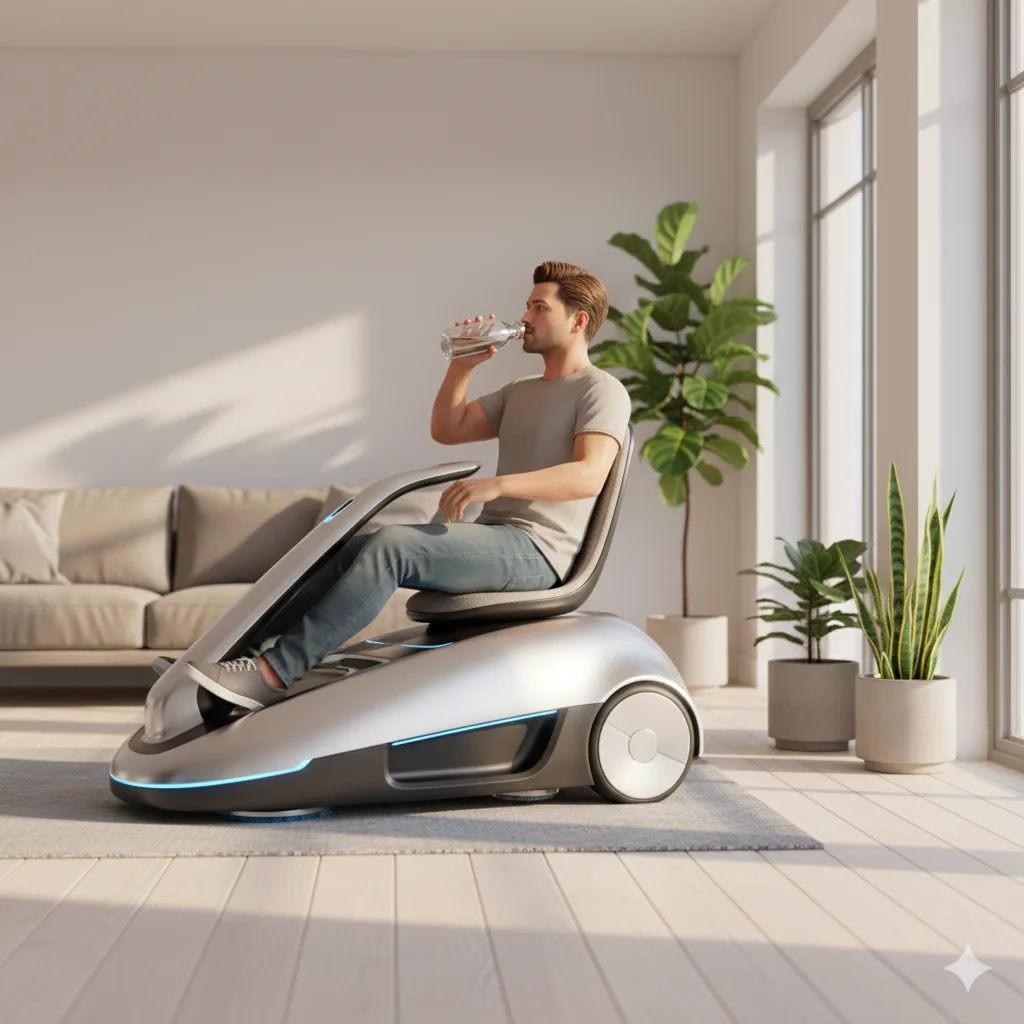
The concept behind riding vacuums was born from a simple yet powerful need: to solve the immense physical and time-related challenges of cleaning large-scale environments. Traditional methods, like using upright or canister vacuums, become incredibly inefficient and physically taxing when deployed across thousands of square feet in places like convention centers, school hallways, or sprawling residential estates. The repetitive motion, constant walking, and limited capacity of smaller units lead to operator fatigue, increased labor costs, and longer cleaning times.
Riding vacuums directly address these pain points by merging the high-power suction of an industrial cleaner with the mobility and comfort of a ride-on vehicle. The design goal was to create efficient cleaning machines that allow a single operator to do the work of a team in a fraction of the time. By allowing the user to sit and drive, these machines eliminate the physical strain on the back, legs, and arms, turning a grueling task into a manageable process. This focus on ergonomics and productivity is what sets them apart as a premier choice for large space cleaning.
“Innovation in cleaning is not just about more power or better filters; it’s about fundamentally changing the relationship between the operator and the task. The goal is to reduce human effort while dramatically increasing the output.”
This philosophy is the driving force behind the development of modern industrial riding vacuums. They are engineered to be powerful, yes, but more importantly, they are designed to be a force multiplier, empowering users to maintain pristine environments with unprecedented ease and speed.
Who Benefits from the Power of Riding Vacuums?
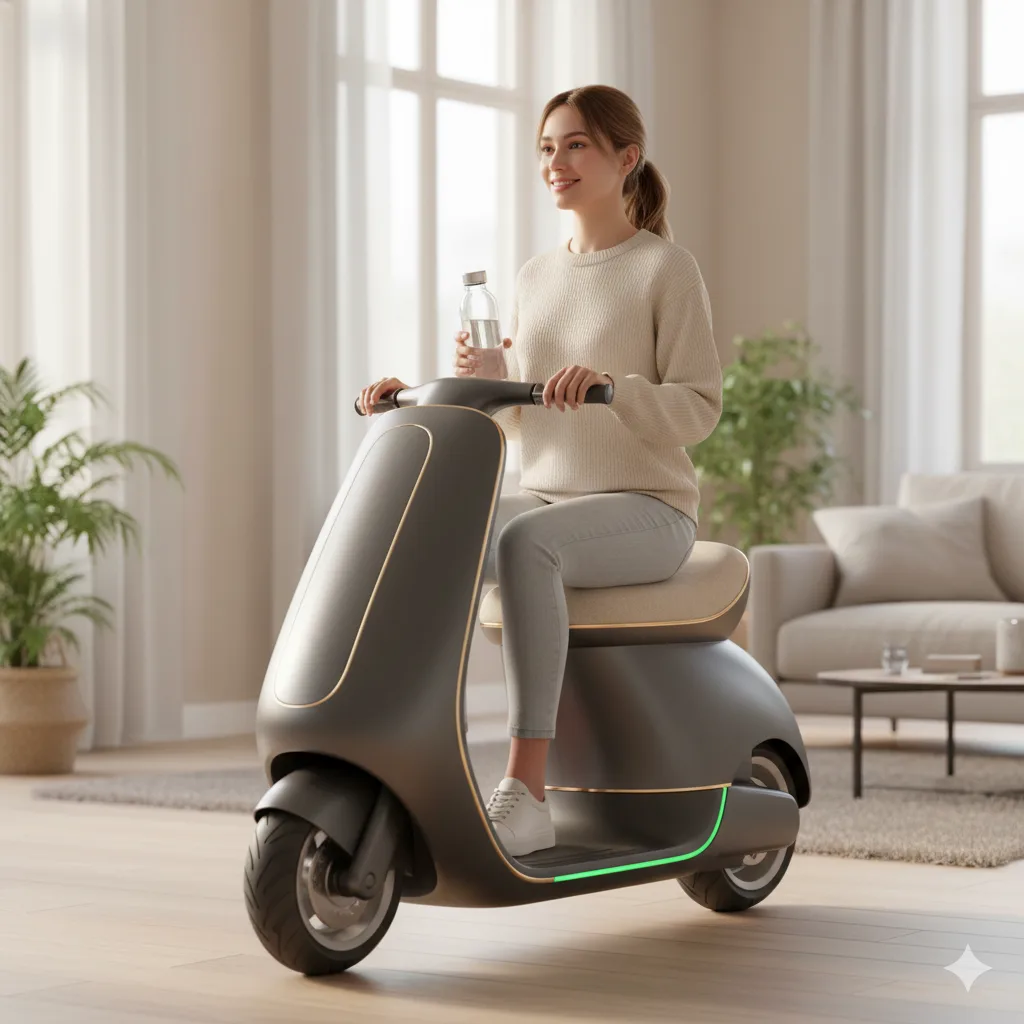
The unique advantages of riding vacuums cater to a diverse range of users, from commercial enterprises to residential homeowners with specific needs. Their design makes them an ideal solution for anyone who values efficiency, reduced physical labor, and superior cleaning results over large areas. The primary beneficiaries are those who find traditional vacuuming methods to be impractical or physically unsustainable.
For the commercial sector, these machines are a game-changer. Facility managers of airports, shopping malls, hospitals, and warehouses can drastically cut down on labor hours and operational costs. A single operator on a riding vacuum can cover ground far more quickly and consistently than a team with push vacuums, making them a cornerstone of modern commercial cleaning solutions. They ensure a higher standard of cleanliness which is crucial for public-facing venues and large logistical hubs.
In the residential space, homeowners with expansive properties, large open-concept floor plans, or extensive workshops find immense value in these machines. What might take an entire afternoon with a standard vacuum can be completed in under an hour, offering a path to effortless home care. Furthermore, they are an excellent option for individuals with mobility challenges or physical limitations, providing a way to maintain a large home independently and without strain. These ergonomic cleaning machines empower users by removing the physical barriers to a clean environment.
A Closer Look: Design, Features, and Care for Riding Vacuums
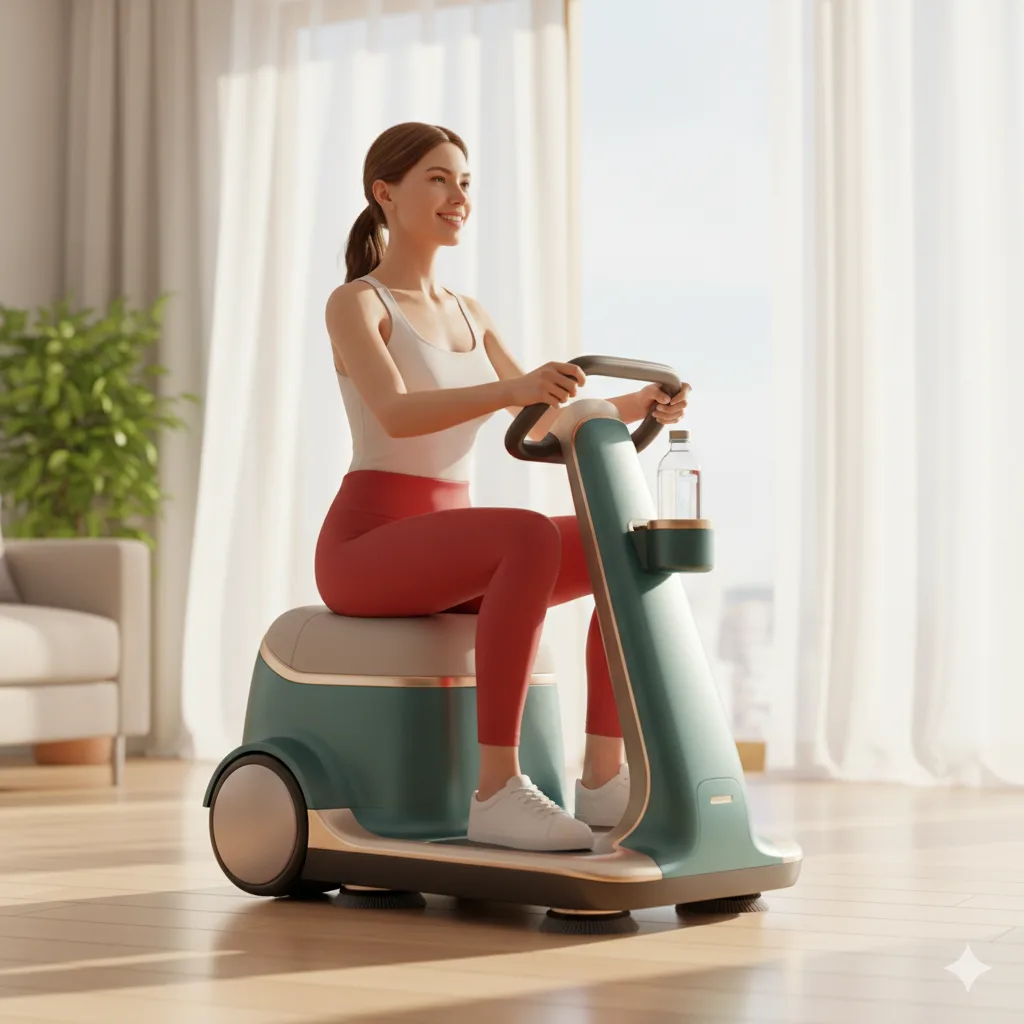
The effectiveness of riding vacuums stems from a thoughtful combination of ergonomic design, powerful internal components, and user-friendly features. Understanding these elements reveals why they are such a revolutionary piece of cleaning technology. They are built not just to clean, but to perform reliably and comfortably for hours on end.
Ergonomics and Control at the Forefront
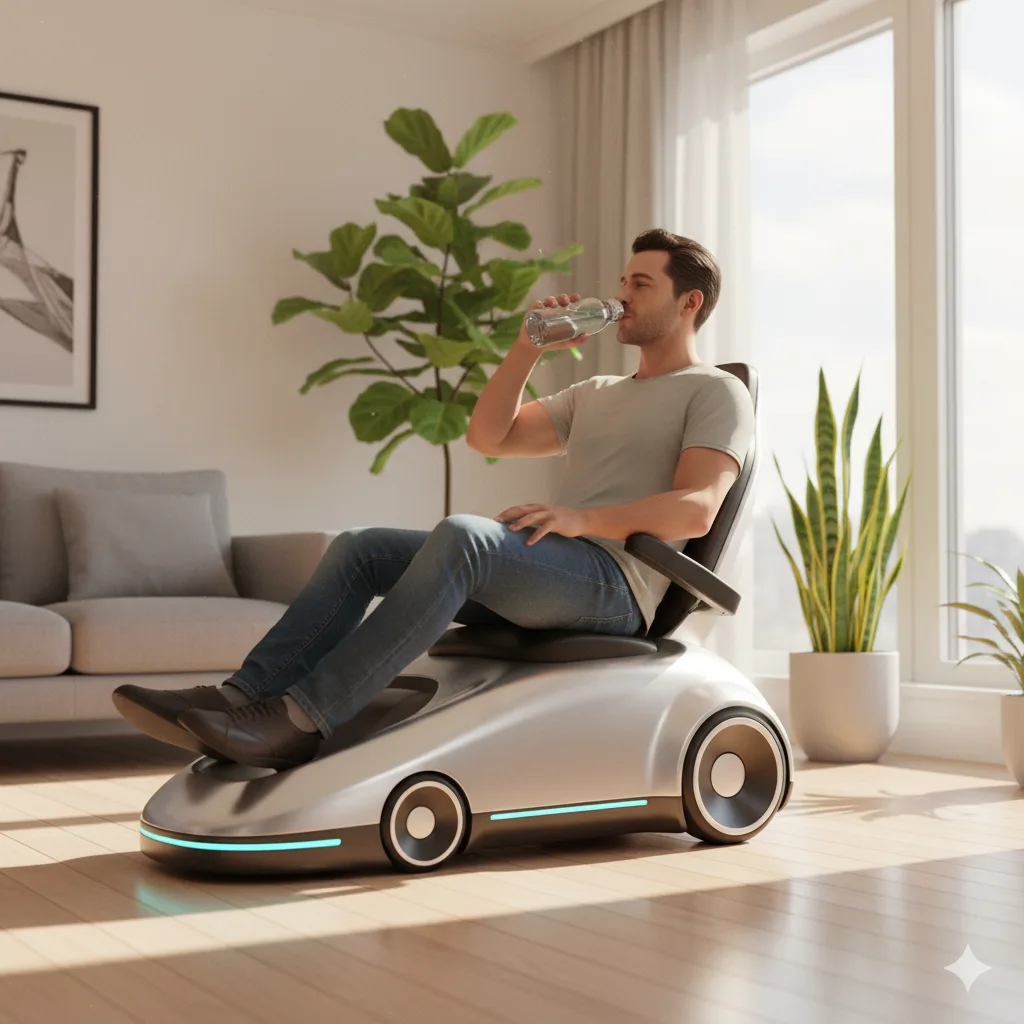
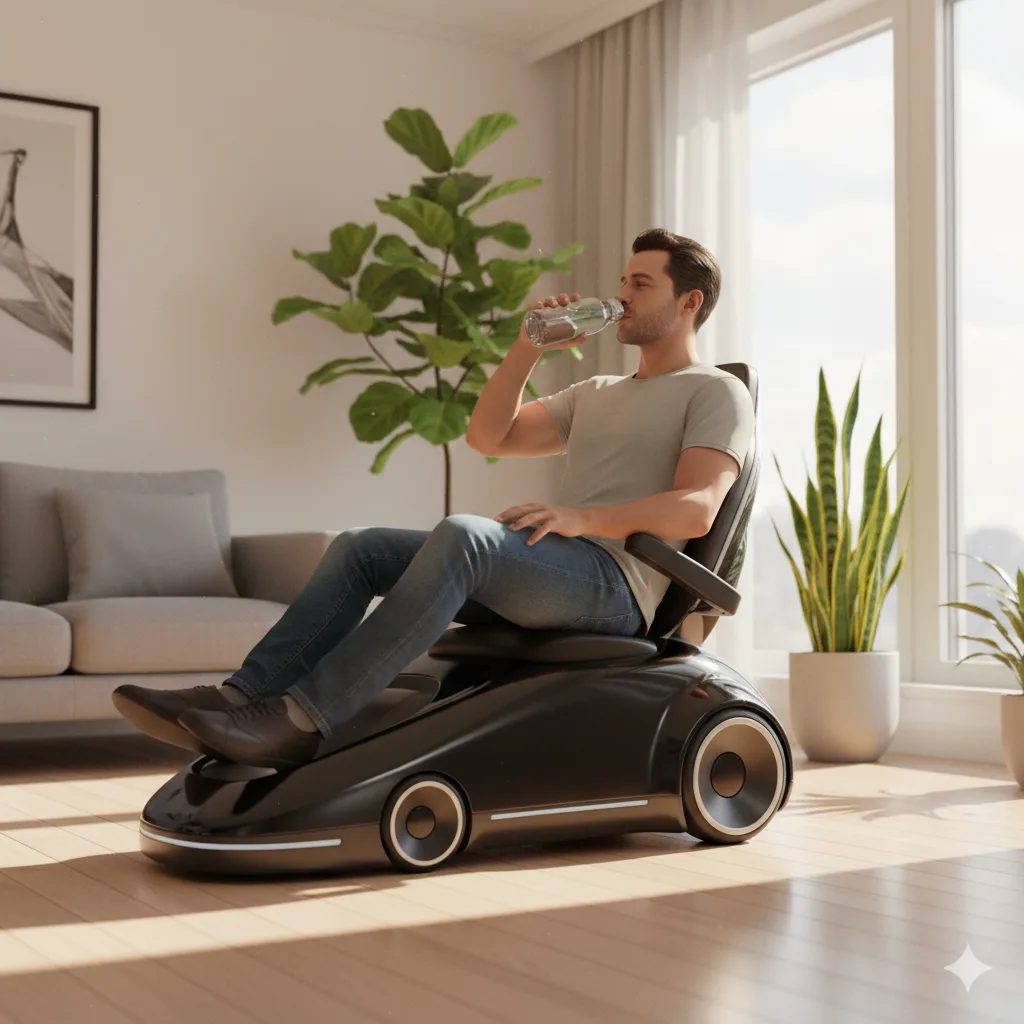
The core design centers on operator comfort. A cushioned, adjustable seat and intuitive controls—often resembling a steering wheel and simple dashboard—reduce the physical toll of cleaning. Excellent sightlines allow the operator to navigate around obstacles safely and clean precisely along edges. This focus on user experience ensures that productivity remains high throughout long cleaning shifts without causing fatigue or strain.
Key Performance Features
The true power of these machines lies in their specifications. They boast exceptionally wide vacuum heads, some spanning over 30 inches, which dramatically reduces the number of passes needed to clean a room. This is paired with powerful motors that generate immense suction, capable of lifting everything from fine dust to larger debris. Furthermore, their large-capacity hoppers can hold gallons of dirt, minimizing the frequency of emptying. Many models also feature advanced, multi-stage filtration systems (like HEPA), which not only clean the floors but also improve indoor air quality by trapping microscopic allergens and pollutants.
Expert Maintenance Tips
To ensure the longevity and peak performance of your riding vacuum, regular maintenance is key.
- Check Filters Regularly: Clogged filters are the number one cause of reduced suction. Clean or replace them according to the manufacturer’s guidelines.
- Inspect Brushes and Squeegees: Look for wear and tear on the main brushes and any attached squeegees. Replace them when they become worn to maintain effective debris collection.
- Empty the Hopper: Never let the collection hopper become overfilled, as this can strain the motor and reduce airflow. Empty it after each major cleaning session.
- Battery Care: For battery-powered models, follow proper charging protocols. Avoid letting the battery completely drain and store the machine in a temperature-controlled environment.
How Riding Vacuums Compare to the Competition
When considering an investment in a riding vacuum, it’s helpful to compare it directly with traditional cleaning methods. While the initial cost is higher, the long-term benefits in efficiency, performance, and labor savings often present a compelling case, especially in commercial or large-scale residential settings.
Price Comparison
There’s no denying that riding vacuums represent a significant upfront investment compared to upright or canister models. However, for a business, the return on investment is calculated in saved labor hours. A machine that allows one person to do the work of three or four offers substantial long-term savings. For homeowners, the value is in reclaimed time and the elimination of physical strain.
Design Comparison
The fundamental design difference is mobility and ergonomics. Traditional vacuums require the user to be on their feet, pushing or pulling the unit. This can lead to back, shoulder, and leg fatigue over time. Riding vacuums transform the task into a seated, low-impact activity, making it a superior ergonomic cleaning machine and accessible to a wider range of users.
Feature Comparison
When compared feature-for-feature, the advantages of riding vacuums become clear:
- Cleaning Path: A typical riding model has a cleaning path of 28-36 inches, while a standard upright vacuum is only 12-15 inches wide.
- Debris Capacity: Industrial models can hold over 10-20 gallons of debris, whereas a residential vacuum might hold a gallon or less.
- Coverage Rate: Riding vacuums can clean upwards of 30,000 square feet per hour, a rate that is simply unachievable by walking.
- Power: They are equipped with commercial-grade motors designed for continuous, heavy-duty use.
Durability and Longevity
Riding vacuums are built for demanding environments. They typically feature steel frames, durable housing, and heavy-duty components designed for years of service. Most residential vacuums, constructed primarily from plastic, are not intended for the same level of rigorous, daily use and have a shorter operational lifespan.
Customer Reviews
Across the board, positive customer reviews for riding vacuums highlight a transformational impact on cleaning routines. Facility managers frequently report that investing in riding vacuums was the single best decision for improving their team’s efficiency and morale. Homeowners with multi-acre properties praise the machines for giving them back their weekends, turning an all-day chore into a quick and easy task. The consensus is clear: for large spaces, these machines are a worthy and powerful solution.
The Future of Clean is Here
Riding vacuums are more than just a novelty; they represent a fundamental shift in how we approach the challenge of maintaining large spaces. By prioritizing operator comfort and maximizing efficiency, they solve the core problems of fatigue and time consumption that plague traditional cleaning methods. Their powerful performance, massive capacity, and ergonomic design make them an invaluable asset for commercial operations and a life-changing tool for owners of large homes. As this cleaning technology continues to evolve, we can expect even smarter and more autonomous features.
The investment in a riding vacuum is an investment in time, well-being, and a higher standard of cleanliness. If you’re ready to revolutionize your cleaning process, this is the technology to watch. For more insights into the innovative tools shaping our future, be sure to follow Artinspire Net and subscribe to our newsletter.
Frequently Asked Questions
Where can I purchase high-quality riding vacuums?
High-quality riding vacuums are typically sold through specialized commercial cleaning equipment suppliers, industrial supply companies, and select online retailers that cater to professional or large-scale cleaning needs. It’s best to consult with a dealer who can help you choose a model suited to your specific square footage and surface types.
What is the typical cost of investing in riding vacuums?
The cost of riding vacuums can vary significantly based on size, power, brand, and features. Entry-level, smaller models may start in the low thousands of dollars, while larger, industrial-grade machines with advanced features can cost $10,000 or more. The price reflects their robust construction and significant performance advantages over traditional vacuums.
How do riding vacuums improve safety and reduce physical fatigue?
Riding vacuums dramatically reduce physical fatigue by allowing the operator to sit comfortably while cleaning. This eliminates the strain on the back, legs, and arms associated with pushing heavy upright vacuums for extended periods. This ergonomic design not only boosts productivity but also reduces the risk of repetitive strain injuries, making the cleaning process safer for the operator.