
A Stone Tiny Home represents a profound shift in how people define comfort and luxury. Rather than relying on size or excess, it embraces permanence, texture, and intention. Built from stone—one of humanity’s oldest building materials—these compact homes feel grounded, protective, and deeply connected to the land they rest upon. In a world that moves fast and builds quickly, stone tiny homes stand still with quiet confidence.
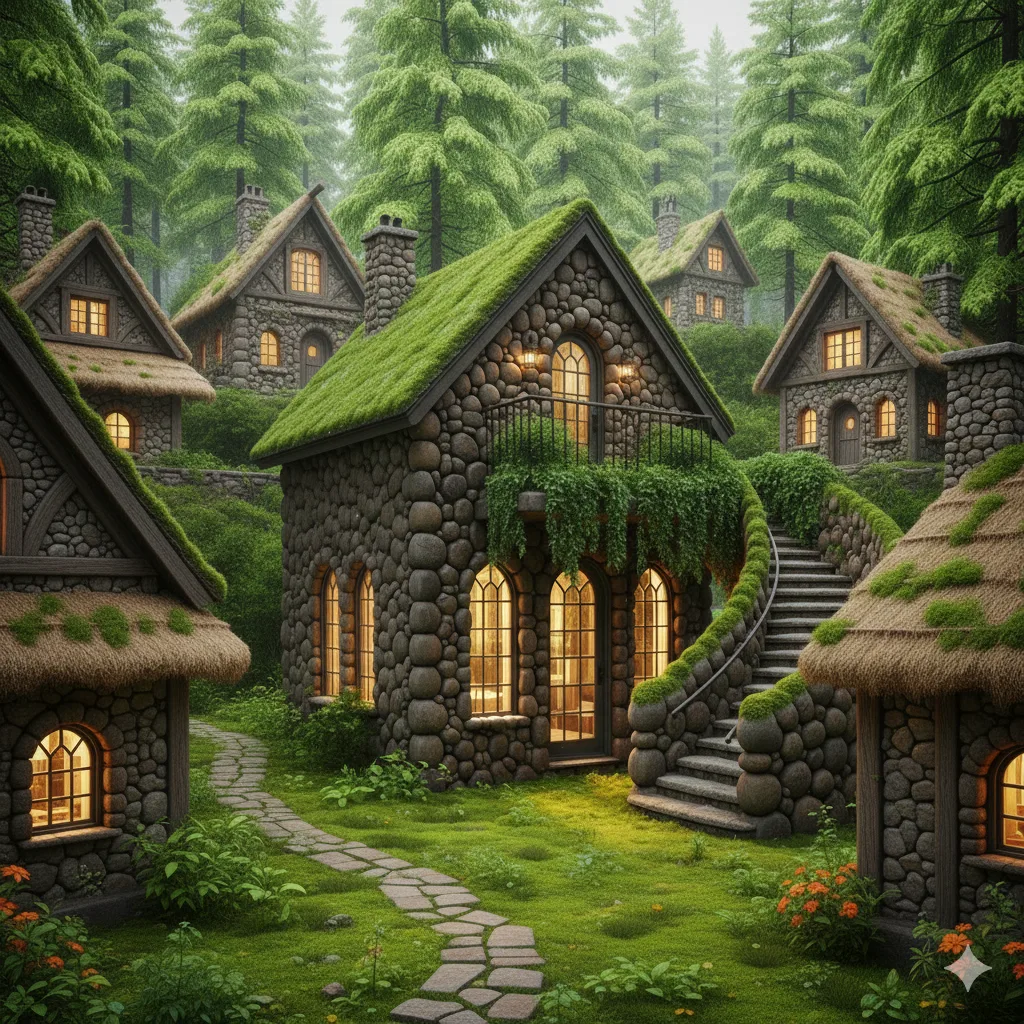
The appeal lies in contrast. The modest scale of a tiny home paired with the monumental nature of stone creates a balance that feels both humble and powerful. Thick walls, solid forms, and hand-laid surfaces offer a sense of shelter that modern lightweight structures often lack. A stone tiny home does not try to impress through grandeur; it earns admiration through substance.
2. Craftsmanship Rooted in History and Earth
Every stone tiny home carries the mark of craftsmanship. Stones are chosen for shape, color, and texture, then placed with care—each one fitting into a larger puzzle that defines the home’s character. Unlike mass-produced materials, stone demands patience and respect. It requires builders to work with the material, not against it.
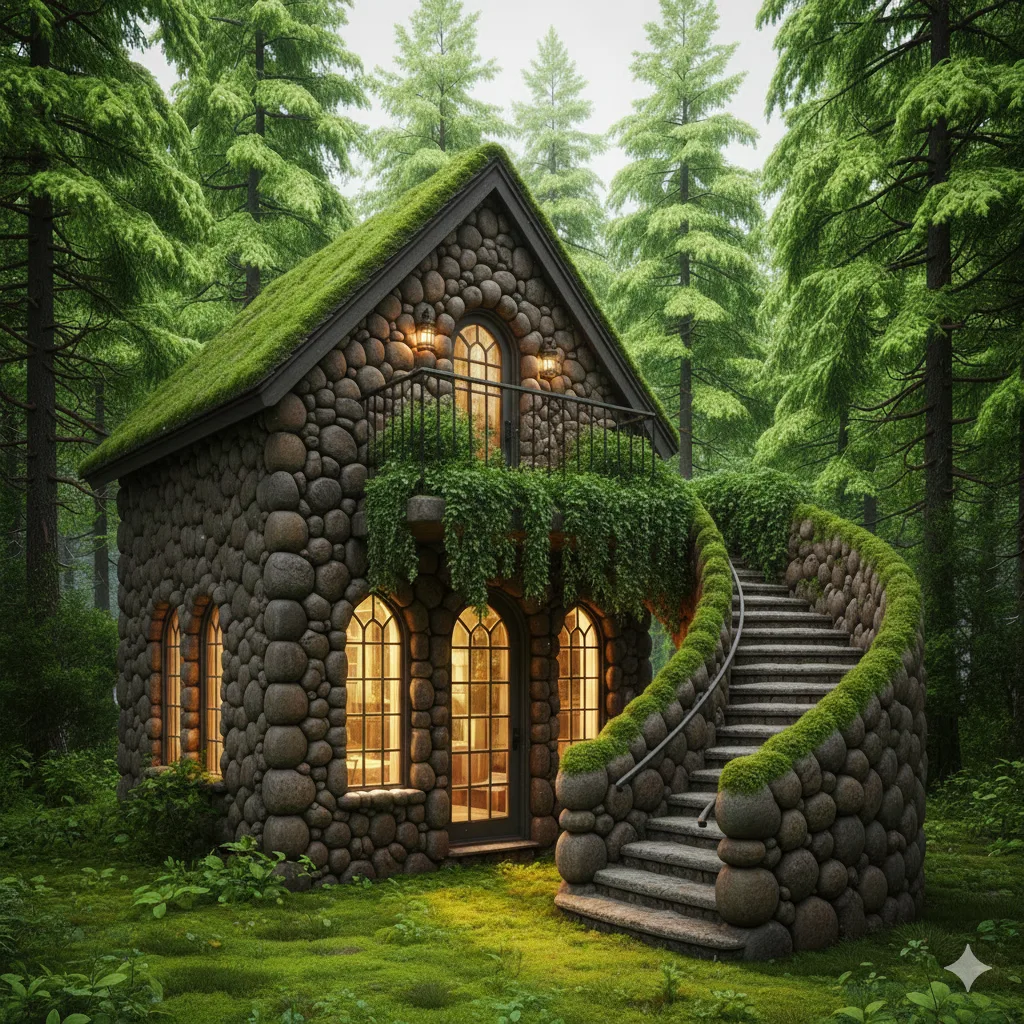
The result is a structure that feels ancient even when newly built. Walls hold subtle irregularities, edges soften naturally, and surfaces age gracefully. Over time, stone deepens in character rather than deteriorating. This sense of continuity gives the home a timeless presence, as though it has always belonged exactly where it stands.
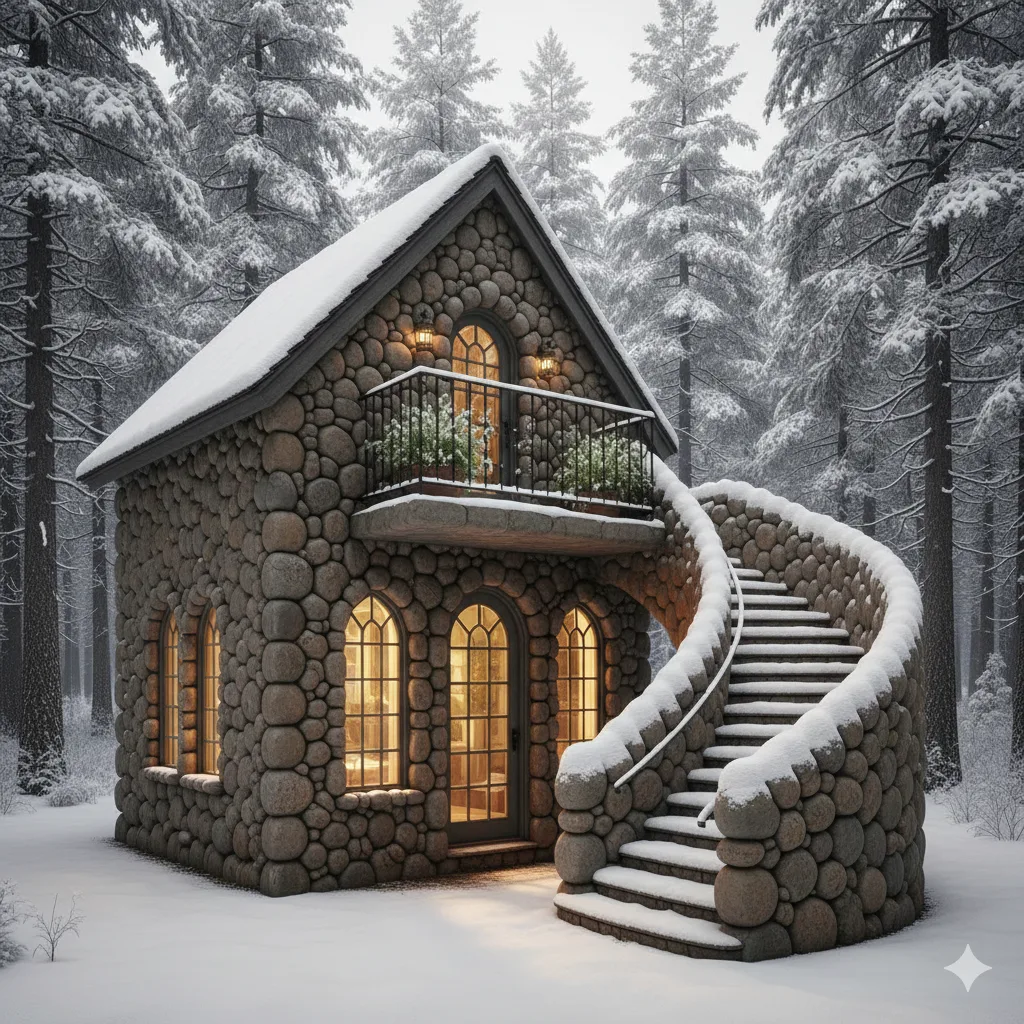
Inside, stone walls regulate temperature naturally, staying cool in summer and retaining warmth in winter. The craftsmanship is not only visual—it supports comfort, efficiency, and longevity in ways few materials can match.
3. Atmosphere: A Sanctuary of Calm and Stability
Stepping into a stone tiny home feels like entering a protective cocoon. Sound softens. Light becomes warmer as it reflects off textured surfaces. The weight of stone creates a feeling of permanence that calms the nervous system almost instantly. This is not a space that encourages chaos or clutter; it invites mindfulness.
The compact footprint enhances this sense of sanctuary. Every corner feels intentional, every window thoughtfully placed. When paired with natural wood, linen textiles, and warm lighting, the stone becomes a canvas for serenity. Even the smallest interior feels expansive because the materials carry visual depth and emotional weight.
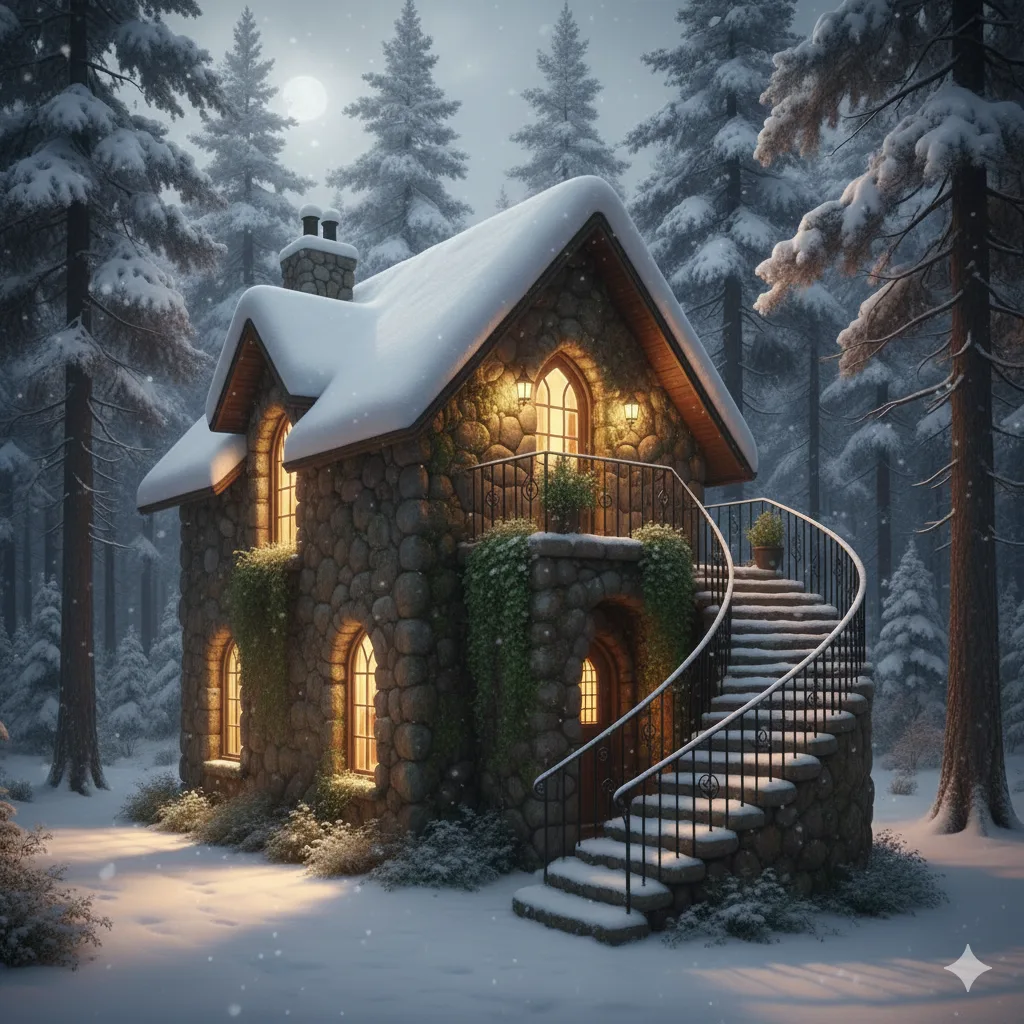
At night, when the home is lit from within, stone walls glow softly, turning the tiny structure into a lantern nestled in the landscape. It becomes not just a place to live, but a place to exhale.
4. Design Harmony Between Stone and Small-Space Living
Stone tiny homes demonstrate how minimalism and richness can coexist. While the layout is compact, the materials create layers of visual interest that prevent the space from feeling cramped. Stone walls naturally define zones—sleeping, cooking, resting—without the need for excessive partitions.
Architects often combine stone exteriors with carefully planned interiors that maximize vertical space and natural light. Arched doorways, deep window recesses, and built-in stone shelving add both function and charm. The structure feels sculpted rather than assembled, as though it were carved directly from the land.
This harmony between material and scale makes stone tiny homes particularly appealing to those seeking authenticity. There is no pretense, no unnecessary ornamentation—only form, texture, and purpose working together.
5. Sustainability and Longevity in a Changing World
In an era of disposable housing and fast construction, stone tiny homes stand as a counterstatement. Stone is one of the most sustainable building materials available. It requires minimal processing, lasts for centuries, and performs exceptionally well in diverse climates.
A stone tiny home consumes fewer resources overall due to its size, yet offers resilience unmatched by many larger structures. It resists fire, pests, and weather extremes, making it an ideal choice for those seeking security and low maintenance. The combination of sustainability and durability turns the home into a long-term investment—not just financially, but environmentally.
Living in stone also encourages a slower lifestyle. It aligns with values of permanence, care, and thoughtful consumption, reinforcing the philosophy that smaller living can be richer in every meaningful way.
6. Why Stone Tiny Homes Are Capturing Modern Imagination
Stone tiny homes resonate deeply with modern homeowners because they speak to a longing for stability in an uncertain world. They offer refuge from noise, from excess, from impermanence. At the same time, they reflect a refined aesthetic—one rooted in history, craftsmanship, and nature.
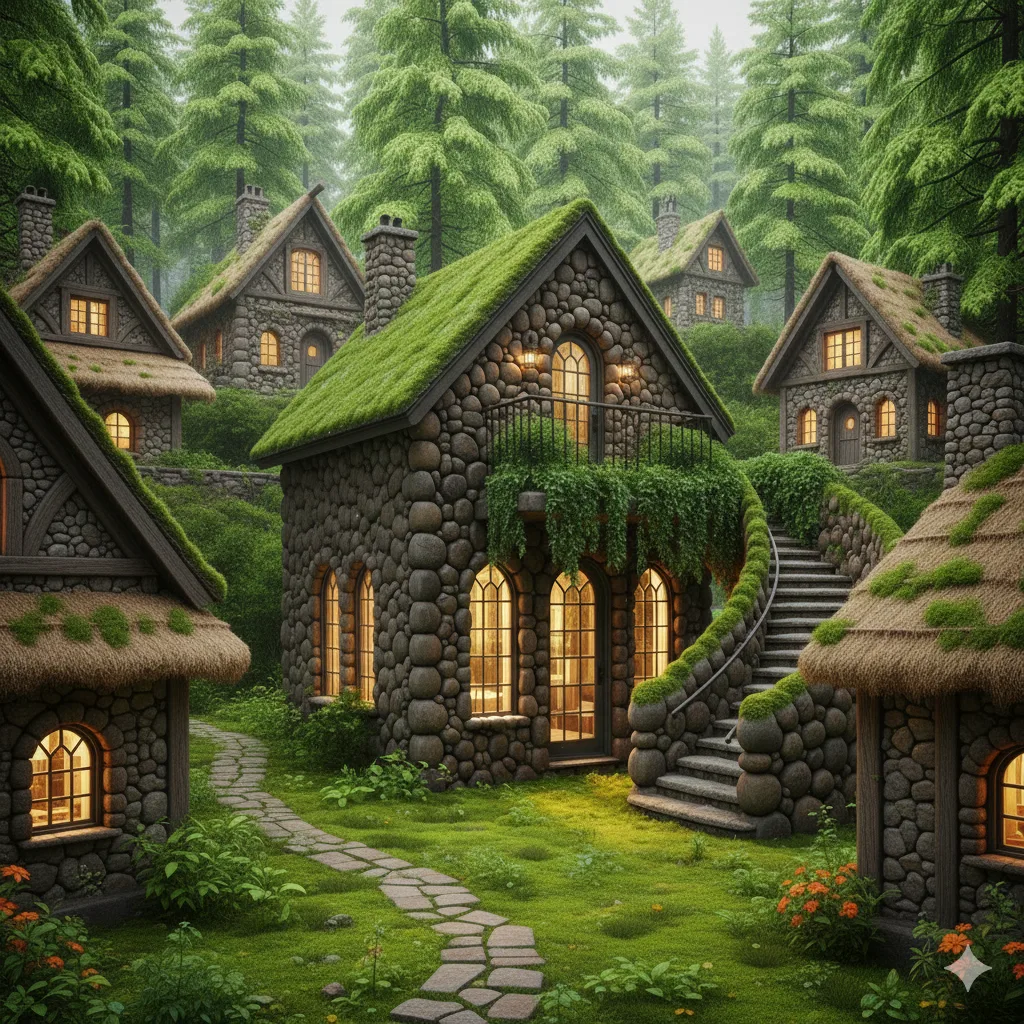
These homes appeal to those who value experience over possession, quality over quantity. They are chosen by people who want their living space to feel intentional, grounded, and deeply personal. A stone tiny home becomes more than a dwelling; it becomes a philosophy made visible.
Conclusion: Small in Size, Monumental in Meaning
A Stone Tiny Home proves that true luxury does not require scale—it requires substance. With its enduring materials, thoughtful design, and intimate connection to the earth, it offers a living experience that feels timeless and secure. Every stone tells a story, every wall holds warmth, and every inch serves a purpose. In choosing a stone tiny home, one chooses calm over chaos, permanence over excess, and beauty that grows richer with time.